Sewer Camera Inspections: What Are They?
When something goes wrong with your home's sewer system, it can be challenging to determine the source of the issue. A sewer camera inspection can help isolate and fix the problem as quickly as possible. But what is a sewer camera inspection, exactly, and what can it show you? Let’s take a look.
How does a sewer camera inspection work?
A sewer camera inspection is a process in which a small, waterproof camera is inserted into the sewer line to capture images of the pipe's interior to inspect its condition. It can help identify any potential problems with the sewer line and can help you address them before they become big, expensive issues. Here's what you need to know if you're considering having a sewer camera inspection done on your home.
What problems can a camera sewer line inspection find?
A sewer inspection camera is a valuable tool as it can find a variety of problems inside sewer lines. For example, a common problem homeowners have is common debris such as grease, soap, and hair clogging sewer lines. If there is a blockage in the line, the camera can help locate it so that the proper methods can be used to clear it.
The camera can also help to identify any cracks, leaks, blockages, corrosion, misalignments, and even tree roots growing in the sewer line. This is important because these problems can lead to sewage backup and flooding. In addition, a sewer inspection camera can help determine the sewer line's condition overall. All of the information gathered by the camera can be used to plan future repairs or replacements.
Regularly scheduled sewer line maintenance can fix these problems before they cause significant damage. Ultimately, a sewer inspection camera is a valuable tool for keeping sewer lines in good working condition.
When to Consider Getting a Sewer Line Camera Inspection
Many sewer line problems can be detected early on by taking a look inside your sewer system to check for signs of trouble. However, given the underground location of sewer lines, it is not always possible to visually inspect them for damage. If you are a homeowner or looking to buy, it is crucial to know when to get a sewer line camera inspection. There are a few signs that you should look for which may indicate that it’s time to call a professional for an inspection.
When You Own A Home
If you have noticed any of the following signs, it’s time to have a sewer inspection.
- Any pooling water around your home could signify a sewer line leak
- Drains are draining slowly or backing up; this could indicate a problem with your sewer line
- Strange smells from your drains could indicate a blockage in your sewer line
Once you have noticed these signs, it’s important to call a professional for a sewer line camera inspection as soon as possible. Sewer line problems can quickly become severe and expensive to repair, so it’s vital to catch them early.
When Considering Buying a Home
When buying a house, particularly an older one, a sewer camera inspection can identify any issues that might require repairs. Catching any sewer line problems before buying a home can help you negotiate a better price. If the damage is extreme or the pipes are not up to code, it can help you avoid the purchase entirely and save you a lot of money and headaches down the road.
Common Causes of Sewer Repairs
There are many different types of sewer repairs that can be done depending on the problem. Some of the most common types of repairs include taking care of invasive tree roots, fixing leaks, and removing clogs.
Invasive Tree Roots
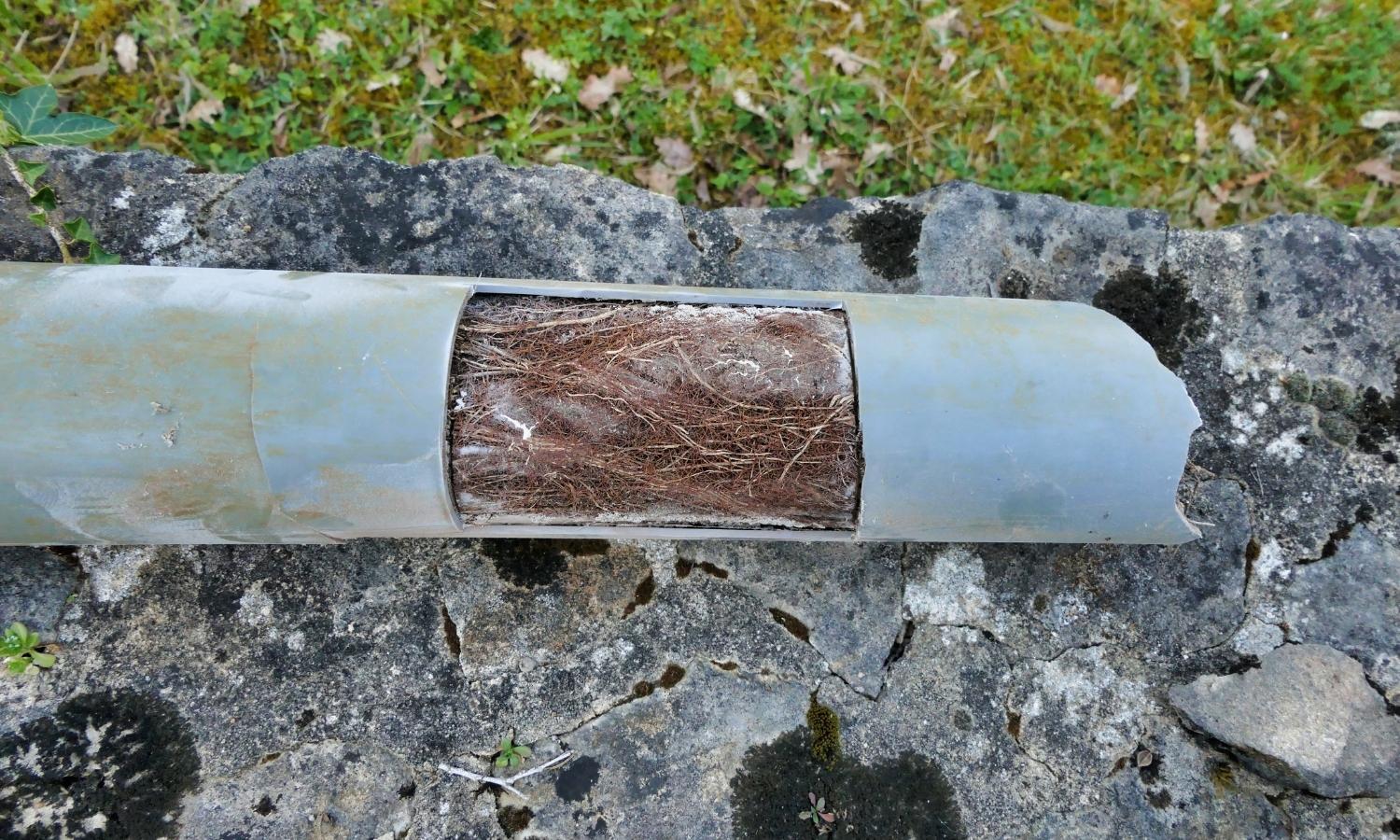
Trees send out their roots in search of water and nutrients, and they can easily penetrate sewer lines in search of these things. Once they've penetrated the pipe, they continue to grow and expand, which can cause significant damage over time.
To fix the issue, a plumber will first cut away as much of the invasive tree roots as possible. They'll then use a drain snake to clear any remaining debris from the pipe. Finally, they'll reline the defective pipe, ensuring that the roots can't invade again in the future.
Leaks
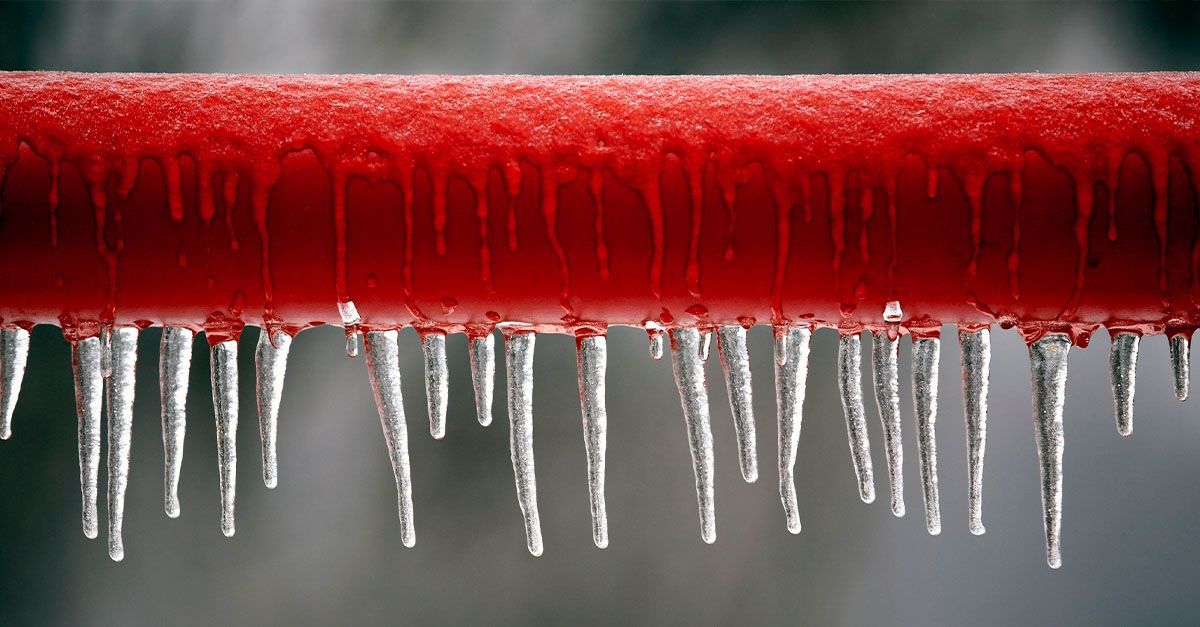
Leaks can be caused by several things including ground shifting, seismic activity, and even frigid temperatures. These can often be fixed by simply sealing the leak with epoxy resin or another type of sealant. However, if the leak is extensive, it may need to be replaced with a new section of pipe, possibly through trenchless sewer line replacement methods.
Clogs/Blockages
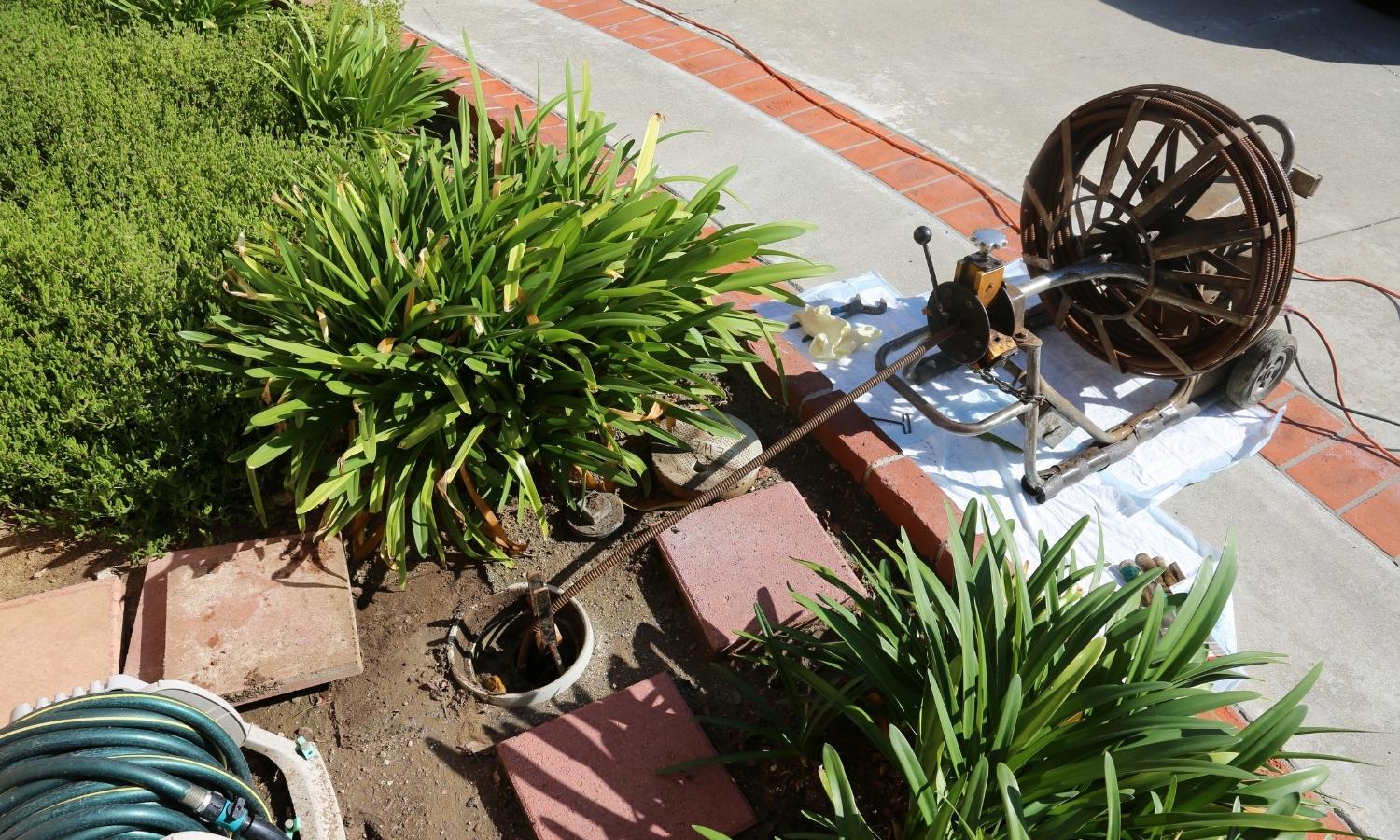
Over time, foreign materials such as grease, hair, and other debris can cause serious clogs and blockages. This can lead to slow drains and even sewage backflow into your home. A plumber can fix sewer clogs using various methods, including cable machines, augers, and hydrojetting methods. These tools use spinning blades, spiral-shaped cables, or high-pressure water to remove the clog from the pipe.
Blockages can also be a result of sagging sewer lines. When a sewer line starts to sag, waste can get caught in the resulting bend. The repair of a sagging sewer line is dependent on several factors, such as the degree of the sag and the surrounding landscape.
Considering Camera Sewer Inspections? Call Plumb Works Today!
Most homeowners don't think about their sewer line until there's a problem. And even then, it's not always on the top of your list of concerns. But what if we told you that regular sewer camera inspections could help prevent problems from happening in the first place? Sewer camera inspections are a quick and easy way to get a sense of the health of your sewer line- and they could save you from costly repairs down the road.
If you are experiencing water backing up into your home or business, sewage spillage onto your property, slow drainage, gurgling noises, strange odors coming through your drains, or maybe you have a nagging feeling that something could be wrong with your sewer line, it might be time to consider getting a camera inspection.
Plumb Works offers a comprehensive sewer camera inspection service to help better determine your sewer system's health. A Plumb Works technician can work with you to decide if a sewer line camera inspection is necessary and recommend the best course of action for repairing any issues found. Give us a call today to get started!
Want to learn more about sewer line repairs? Here are some related resources:
What to Know About Trenchless Sewer Repair
Does it Work? What to Know About Sewer Pipe Relining